A research team that lives inside Claude.

Most of us spend our days doing the same research work by hand, opening a blank chat for every study, rewriting the screener, walking through synthesis one step at a time, building the report from scratch, when the method is already clear in our heads and only the assembling is left. The UXR Claude Agent Suite is nine plugins, one for every stage of a research project, and each one comes with a lead agent that knows how good research is done, the skills to carry it out, a command to kick it off, and the connectors to plug into the tools you already use.

You hand off a whole stage with a single sentence, and you stay the one making the calls.

The payoff is whole stages of your research carried out in a fraction of the time, in a method you trust, with you reviewing the work instead of assembling it from scratch.

$99 one-time · lifetime access · runs in Claude Cowork

Instant download after purchase · Lifetime access · Every future agent included

See the agents in action
One agent for every stage of a study
Intake & Planning Scoping Recruitment Analysis & Synthesis Reporting & Activation Influence & Impact Career
9
Research agents
100+
Skills inside them
5 min
To install
$99
One-time
Uses after that
Why I built these

The work I stopped doing by hand

I have spent years building the way I run research, the shape of a good interview guide, the reason an insight needs a consequence and not just an observation, the structure that makes a report land in a room rather than gather dust. For a long time the bottleneck was never knowing the method. The bottleneck was that I was the one running every step by hand, opening a blank chat, pasting the transcript, walking through synthesis, formatting the readout, every single study, no matter how many times I had done it before.

The agents are what I built to close that gap. Each one takes a whole stage of the work and does the assembling for you, so the Synthesis Lead takes your messy transcripts and comes back with insights already written, pressure-tested against the So-What question, and ready to drop into a readout, and you spend your time deciding whether they are right instead of building them from nothing.

I have been running this set across my own studies for months now, and the honest difference is that the parts of the job I used to dread, the synthesis that ate a whole afternoon, the report I kept putting off, have turned into something I hand over and then review with fresh eyes.

New to this?

So what is actually in an agent?

If the word agent is new to you, here is the whole idea in plain terms. Each one is a bundle of five things that work together, and you install the bundle in a single step.

1
A lead agentThe teammate that owns the stage. It reads the request, decides which specialists the job actually needs, and runs the finishing steps itself once their work comes back.
2
Four specialist subagentsEach lead delegates to four subagents, one per major step, a method strategist and a protocol auditor for Scoping, for example, so the deep work happens in a narrow, restricted lane instead of one agent trying to do everything.
3
A set of skillsThe actual know-how, one per task. Each skill is a single method written down, like how to write a screener or how to structure an insight, and the lead or a subagent reaches for the right one at the right moment.
4
Slash commandsThe shortcuts that start a workflow. You type something like /synthesize and the whole stage kicks off in one go, instead of you walking through it step by step.
5
Recommended connectorsThe links to the tools you already use, like your survey platform or your research repository, so the agent can pull in your real work and send the finished piece back out.

And how is an agent different from a skill?

A skill

One method, written down. When you ask for that single thing, like a screener or an insight, Claude follows the method and gives you that one piece. It is one move, done well.

An agent

A teammate that holds a whole stack of skills, delegates the deep work to specialist subagents, knows which to use and when, and hands you a finished stage of the work. It is the colleague who knows every move and plays the whole stage for you.

How it works

Three steps, then you delegate.

No developer, no API keys, no technical background. If you can install an app from a download, you can run these.

1

Install the suite in Claude Cowork

Upload the nine plugins under Customize, which takes about five minutes the first time and a minute each after that. Everything is switched on and ready.

2

Type a command, or just describe the work

Type something like /scope-study or /synthesize, or tell the agent in plain words what you are doing, and it reaches for the right skill on its own.

3

The lead agent runs the stage

It does the assembling and hands the work back, you push back on anything that is off, and the judgment stays yours from start to finish.

Runs in Claude Cowork on a paid plan (Pro, Max, Team, or Enterprise). If you already pay for Claude, you are most of the way there.
The team

Nine agents, one for every stage of the work.

Each plugin is a teammate with a job, the skills to do it, and a command to start it. Here is the whole team, in the order a project actually moves.

01

Intake & Planning

The Planning Lead
Turns a vague stakeholder request into a sharp, decision-tied plan, and checks it is actually right before it reaches anyone.
What it runs
An intake gatherer, a question sharpener, an artifact builder, and an intake auditor work the request in order, then the lead builds the brief, business case, or roadmap the situation calls for and logs it against a named decision.
You walk away with
An audited research brief or business case, tied to a real decision and checked against what the stakeholder actually meant, ready to share.
/intake-request
02

Scoping

The Scoping Lead
Picks the method, builds the protocol, and checks it for bias before it goes near a stakeholder or a recruiter.
What it runs
A method strategist, a qual guide builder, a structured method builder, and a protocol auditor run the pipeline, then the lead drafts the starting sample plan, previews the design for the stakeholder, and logs the approved study.
You walk away with
A field-ready, bias-checked protocol with a starting sample plan and a stakeholder sign-off, not just a discussion guide.
/scope-study
03

Recruitment

The Recruitment Lead
Works out who to recruit, how many, and what to pay them, and checks the whole plan is ethical before a single invite goes out.
What it runs
A sample designer, a participant comms manager, an incentive planner, and an ethics guardian run the pipeline in order, then the lead logs the recruitment funnel against the sample plan's target.
You walk away with
A fielded screener, comms, incentive, and consent form, cleared by an ethics check, with the funnel tracked from screened through completed.
/plan-recruitment
04

Analysis & Synthesis

The Synthesis Lead
Takes your transcripts and survey data and comes back with insights that survive a hard look, instead of a pile of quotes.
What it runs
A qual analyst and a quant analyst organize the raw data in parallel, an affinity diagrammer clusters it and checks for contradictions, and an insight auditor writes and so-what-checks every insight, then the lead builds a persona or journey map when the evidence earns one and pushes the finished set into the repository.
You walk away with
A repository-ready, contradiction-checked insight set, translated for whichever room needs to read it.
/synthesize
05

Reporting & Activation

The Reporting Lead
Shapes insights into a readout that leads with the answer, plans the room it gets presented in, and tracks what actually happened after.
What it runs
A report writer, a shareout planner, an activation strategist, and a readout auditor run the pipeline, then the lead handles the newsletter cadence and logs what got adopted, deferred, or rejected.
You walk away with
A pyramid-structured report with a live-session plan and named owners, plus a record of what stakeholders actually did with it.
/build-report
06

Influence & Impact

The Impact Lead
Proves what the research changed, in the language leadership actually funds, and keeps the practice itself measurable and well-run.
What it runs
A repository architect, an impact metrics analyst, a process improver, and a governance auditor run whichever piece the ask calls for, then the lead compiles the numbers and findings into a leadership-facing impact story.
You walk away with
An ROI and impact story built from real numbers, plus a clear verdict on any democratization request before it scales.
/track-impact
07

Career

The Career Coach
Places you against the next level, builds the materials that get you there, and preps you for the interview itself.
What it runs
A self-assessor, a materials builder, a materials auditor, and an interview-prep coach run the pipeline, then the lead logs the agreed next actions against your target level.
You walk away with
An honest level assessment, a resume and case study checked for activity language dressed up as impact, and interview prep including a live mock round.
/assess-career
08

Secondary & Competitive Research

The Secondary & Competitive Research Lead
Answers what can honestly be known from public sources before anyone commits two weeks to a primary study.
What it runs
A source scout and a competitive analyst gather public material, an evidence synthesizer rates it for credibility, and a claims auditor catches overstated claims and checks for staleness, then the lead writes the stakeholder brief and logs the finished research.
You walk away with
A sourced, credibility-rated answer to a competitive or market question, and a clear call on whether a primary study is genuinely still needed.
/competitive-scan
09

Consulting Ops

The Consulting Ops Lead
Runs the business side of independent research consulting, from a first client call through a signed engagement to a clean close.
What it runs
A discovery intake specialist and a proposal builder turn a client conversation into a scoped, priced proposal, an engagement auditor checks the price against the real scope before it is sent, and a client comms manager handles updates and scope changes, then the lead logs the pipeline and plans the renewal conversation.
You walk away with
A scoped proposal and SOW checked for vague language and underpricing, plus a running log of the engagement and a renewal conversation timed right.
/scope-engagement
The payoff

What you can expect

The point of all this is the result, so here is what tends to change in a researcher's week once the agents are doing the assembling.

Synthesis in hours, not days

Paste your transcripts and get clustered, pressure-tested insights back the same afternoon, so analysis stops swallowing your week.

Readouts that get acted on

Reports that open with the answer and give every finding an owner and a next step, so your research drives decisions rather than sitting in a folder.

A case leadership funds

Research impact in real numbers and business language, so the next budget or headcount conversation goes your way.

Whole stages off your plate

From intake through recruitment to reporting, each stage runs from a single command, so your hours go to judgment rather than busywork.

The difference

What changes when an agent runs the stage

Running it by hand

You open a fresh chat for every study, rewrite your prompts from scratch, paste in the transcript, and walk through synthesis one instruction at a time, carrying the work from one step to the next yourself, which gets you there, and which also means the slow, repetitive assembling lands on you every single time.

Handing it to an agent

You type /synthesize and the Synthesis Lead clusters your transcripts, writes the insights, runs them through the So-What check, and hands you a set ready to report, so the work moves itself from one step to the next and your time goes to the judgment calls only you can make.

That is the whole promise of the suite, where the method you already trust gets carried out for you, and the thinking that genuinely needs a researcher stays exactly where it belongs.

Is this for you

For the right researcher, this is the most useful $99 you will spend this year.

This is for you if

  • You already work in Claude Cowork, or you are ready to, and you want it doing whole stages of the work rather than one prompt at a time.
  • You run the full research process and you are tired of being the one assembling every step by hand.
  • You want the methods applied for you, and you still want to be the one making the calls.
  • You are a solo or small-team researcher who could use a few capable teammates that never get tired.
  • You have done the same study setup a hundred times and you would happily never build another screener or synthesis board from a blank page again.

This is not for you if

  • You are on the free Claude plan, since the agents run in Cowork on a paid plan.
  • You are still learning what user research is and want a course on the fundamentals first.
  • You want something that does your thinking for you, since these do the assembling and leave the judgment to you.
  • You would rather keep running every step by hand, which is a real preference and an honest reason to pass.
From the field

What it's like to hand the work off.

Researchers on the workflows these agents run, in their own words.

★★★★★

"Having the reporting workflow run every insight through key learning, why, and consequence changed how my readouts land. My last three left the room with next steps assigned, which never used to happen."

Marcus T. · UXR Lead, SaaS Platform
★★★★★

"I hand the whole synthesis stage off now. I drop in the session boards, the workflow finds the clusters, checks the threshold, and flags what is a real pattern, and half a day of work comes back in about two hours."

Amara O. · UX Researcher, HealthTech
★★★★★

"The impact workflow finally gave me language for research ROI. I walked into a budget conversation with a formula tied to our retention numbers, and the case went through in one meeting. First time ever."

Priya R. · Freelance Researcher
★★★★★

"Solo UXR, no senior researcher to gut-check me. The So-What check at the end of the synthesis workflow is my final gate, and it has caught weak insights before they ever reached a stakeholder."

Jamie L. · Solo UXR, Series B Startup
★★★★★

"I used to spend 45 minutes on a screener every study. Now I hand the recruitment agent the brief and get a sharper one back in five, with the leading questions caught before the session instead of after."

Sarah K. · Senior UXR, Fintech
★★★★★

"I ran the career workflow's whiteboard prep every day for two weeks before an interview I really wanted. It walked me through the framework with practice prompts at different levels, and I got the offer."

Diana W. · UXR, previously job searching
Built by
Nikki Anderson
The User Research Strategist
12+Years in UXR
25K+Researchers reached
9Agents built
100+Skills inside

I spent 12 years doing user research in the field, learning these frameworks the hard way, building them into workshops and courses, and watching what actually makes research land with a room versus what gets a polite nod and a quiet shelf.

I built the agents once I realised that even with the method clear in my head, I was still doing all the assembling by hand, study after study. So I packaged the way I run each stage into a lead agent that does the legwork, built from real studies I ran, the real insights those studies produced, and the templates I actually use day to day.

These are the workflows I have used, broken, and rebuilt, now sitting inside Claude so you get the benefit of those years without having to repeat the same mistakes I made to earn them.

Pricing

Simple pricing. No subscription.

What you'll need
  • Claude Cowork, which runs in the Claude desktop app
  • A paid Claude plan: Pro, Max, Team, or Enterprise
  • About five minutes to install, and no technical background
The UXR Claude Agent Suite
Nine research agents for Claude Cowork
$99 one-time · lifetime access
  • Nine research plugins, one for every stage of a study
  • A lead agent in each that runs the stage for you
  • 100+ skills built from real frameworks and worked examples
  • Slash commands that kick off each workflow
  • Recommended connectors for the tools you already use
  • A plain-language setup guide, about five minutes to install
  • Every future update and new agent at no extra cost
  • Works with Claude Cowork on Pro, Max, Team, or Enterprise
Secure checkout · Instant download · Lifetime access
Complete your purchase
A 14-day guarantee. Try the agents on a real study, and if they are not earning their place in your week, email me within two weeks and I will refund you, no awkward questions.

One payment, yours for good, built for researchers who would rather spend the hours on the thinking than the assembling.

Questions

The things people ask before buying.

Nine plugins for Claude Cowork. Each one bundles a lead agent, the specialist subagents and skills it runs, a slash command to start it, and a list of recommended connectors, and you upload them once so they show up every time you open Claude.

On its own, Claude is a blank chat you have to direct step by step, every session. The agents come preloaded with how good research is done, so you start a whole stage with one command and get back work that already follows a real method, rather than coaching it from scratch each time.

Cowork is the part of Claude where these plugins run, with its own tab in the desktop app. The agents and commands need it, on a paid plan (Pro, Max, Team, or Enterprise). If you already pay for Claude, you are most of the way there.

Not at all. There is no code and nothing you can break, and if you have installed an app from a download before, you already have every skill this asks of you. A plain-language setup guide comes with it.

Yes. Install all nine or only the stages you work in right now, and add the others whenever a project calls for them.

You stay in control. The files Claude makes save into your own folder on your computer, and connectors reach your tools through Claude's secure sign-in. Treat sensitive transcripts with the care you always would, and check your company's policy on using AI with research data.

Every future update and any new agent I add to the suite is included at no extra cost, for the life of the product.

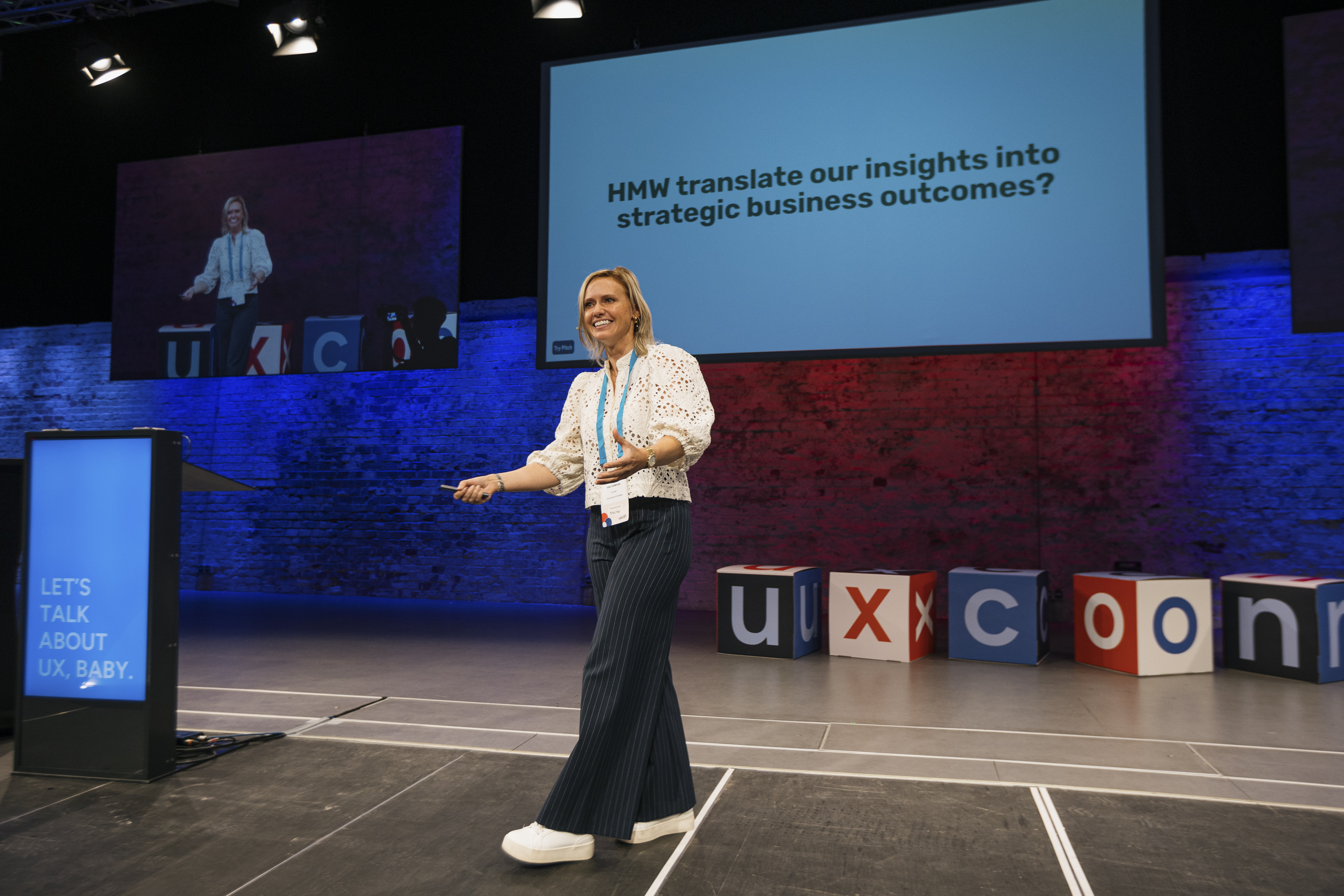
Nikki Anderson speaking on stage at UXcon
On stage at UXcon
Hi, I'm Nikki

The person behind the agents

I'm a user researcher who spent 12 years in the field before moving full time into teaching and writing about the craft through The User Research Strategist. The photo is me on stage at UXcon, doing the part of this work I love most, which is getting a room of researchers genuinely excited about making what we do land with the business.

I built these agents for the same reason I write the newsletter and run the courses, because I care about researchers getting their hours and their influence back, and I have spent years working out what actually moves a stakeholder versus what only sounds good in a methods textbook. Every workflow in here came out of real studies I ran, real readouts that changed a decision, and a fair amount I got wrong before I got it right.

Give yourself a team inside Claude.

If you can already picture the studies you would hand off first, the synthesis you would stop dreading, and the readout you would have done by lunchtime, then the suite is ready whenever you are. And if now is not the right time, that is genuinely fine, since the work will still be here when it is.

Get the Suite — $99

Instant download · Lifetime access · No subscription